Rent a car services

Deep in the heart of Bagerhat, southern Bangladesh, is the magnificent Sixty Dome Mosque (Shaṭ Gombuj Masjid) — an enduring piece of medieval Islamic architecture. This UNESCO World Heritage Site not only serves as a mosque but also as a monument that resonates with the rich cultural and historical heritage of the Bengal Sultanate.
The Sixty Dome Mosque was built in the 15th century by Khan Jahan Ali, the revered saint-general who founded the historic city of Khalifatabad (present-day Bagerhat). Constructed during the reign of Sultan Nasiruddin Mahmud Shah, this mosque served as both a religious center and a community hub for the growing Muslim population in the region.
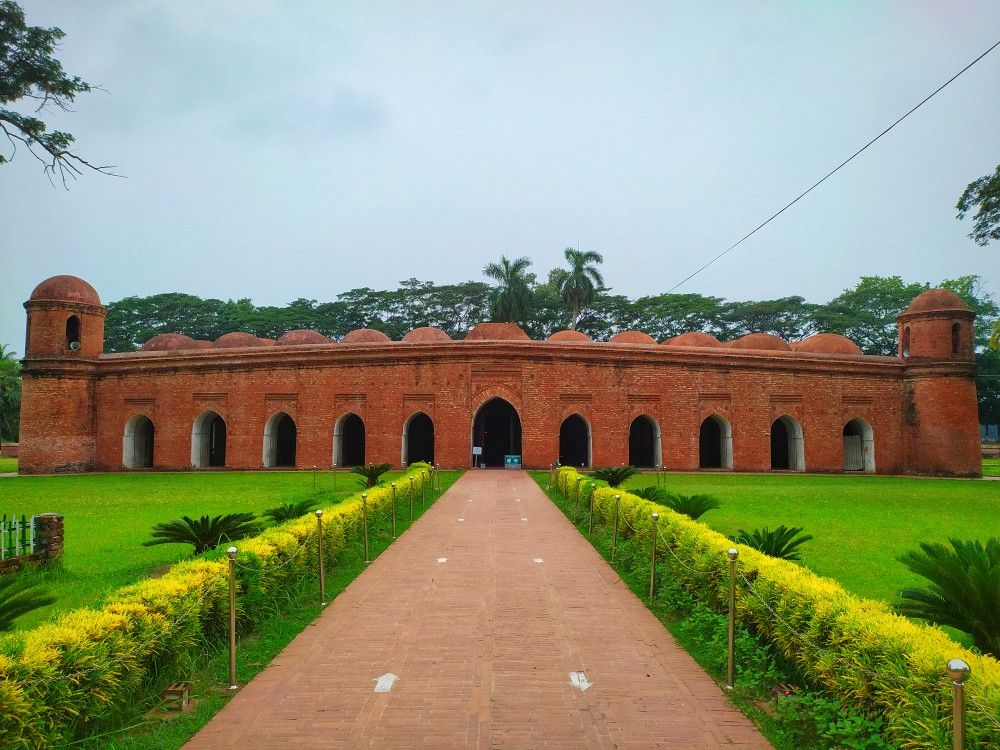
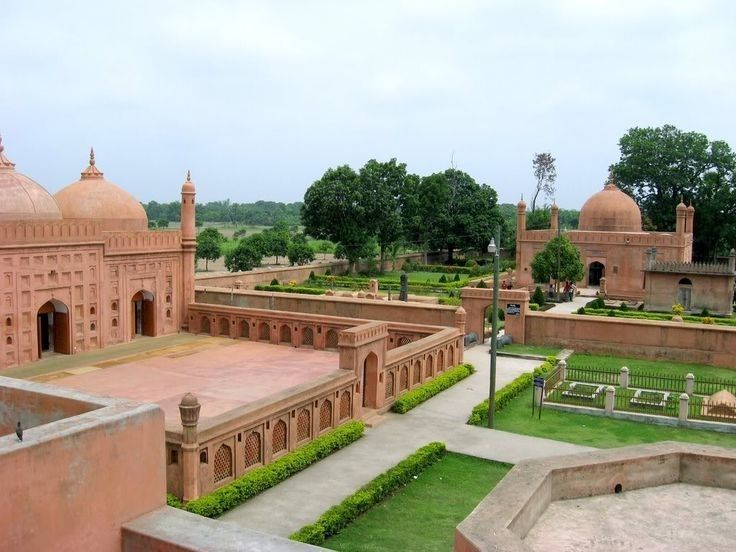
The mosque is a breathtaking example of Tughlaq architecture blended with local Bengali styles. Built entirely from red terracotta bricks, it spans an impressive 160 feet by 108 feet area. Its interior is divided into seven aisles and eleven bays, with beautifully carved mihrabs (prayer niches) adorning the western wall.
Each dome is slightly different in height and design, creating a mesmerizing rhythm across the roofline. The thick walls, arched corridors, and intricate terracotta ornamentation were ingeniously crafted to keep the interior cool — an early example of sustainable design suited to Bengal’s tropical climate.
Beyond its architectural grandeur, the Sixty Dome Mosque holds deep spiritual significance. It was once the center of Islamic learning and Sufi activities under Khan Jahan Ali’s leadership. To this day, it remains a symbol of peace, devotion, and cultural harmony, attracting pilgrims and tourists alike.
The nearby Mausoleum of Khan Jahan Ali, Shait-Gumbad Museum, and Ghora Dighi (Horse Pond) further enrich the historical experience of visiting this sacred site.
In 1985, UNESCO recognized the mosque and the entire Historic Mosque City of Bagerhat as a World Heritage Site. This honor underscores its outstanding universal value as one of the finest surviving examples of early Islamic architecture in the Indian subcontinent.
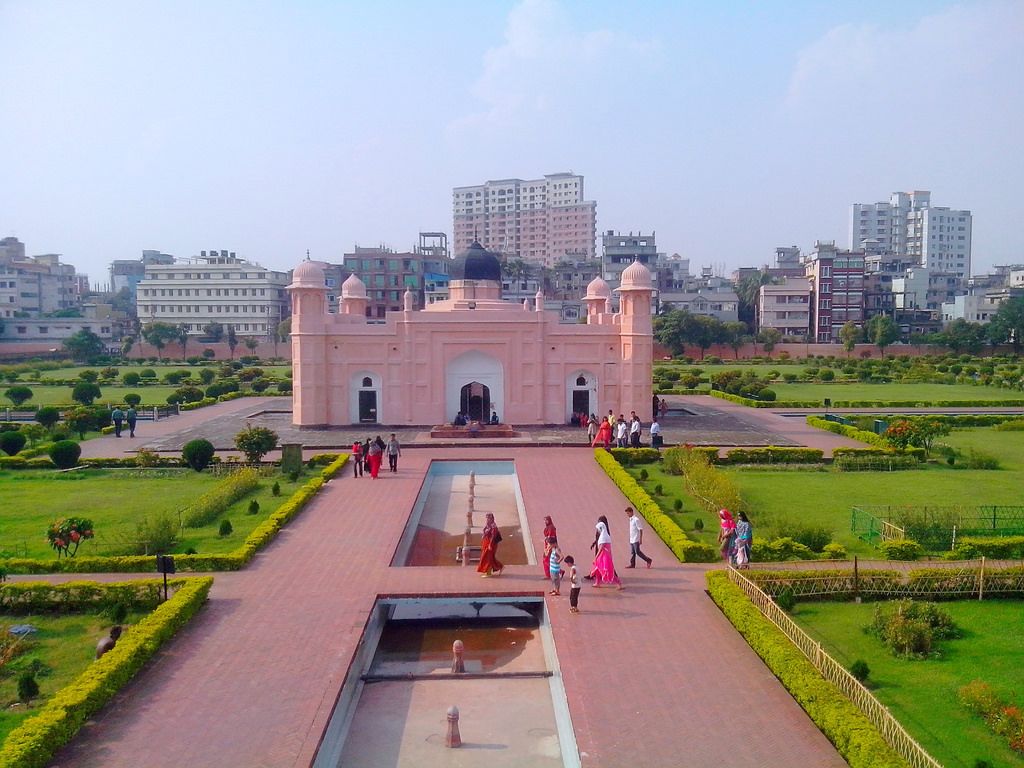
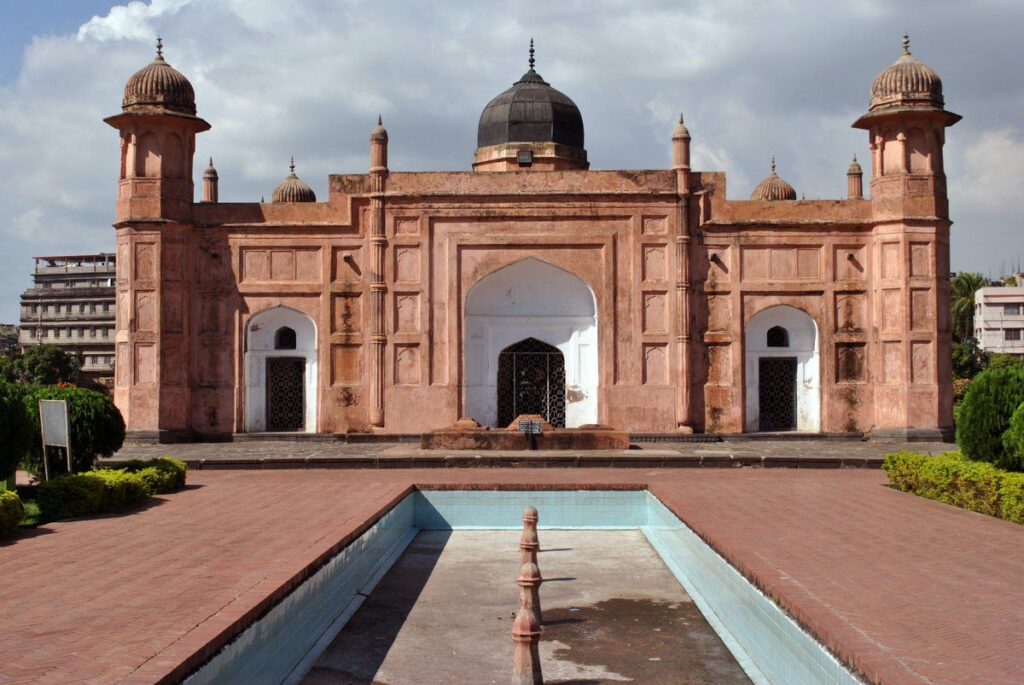
Architectural Masterpiece of the Medieval Age
The mosque is a breathtaking example of Tughlaq architecture blended with local Bengali culture. Composed entirely of red terracotta bricks, it spans an enormous 160 feet by 108 feet area. Inside, there are seven aisles and eleven bays, and its western wall features beautifully carved mihrabs (prayer niches).
Each dome is slightly varied in size and pattern, leading to a compelling rhythm along the roofline. The heavy walls, barrel-vaulted corridors, and wild terracotta decoration were designed to keep the cool interior air inside — an early example of sustainable architecture that suits Bengal’s tropical climate.
Visiting the Sixty Dome Mosque
Tourists visiting Bagerhat can reach the mosque from Khulna, which is a distance of about 22 kilometers. The serene surroundings, ancient architecture, and sacred atmosphere make it a spot that nobody inclined towards Bangladesh’s history and culture would like to miss